How we teach and why it works
Here at Newtown PS, every lesson taught is built on evidence.
Our teaching and learning model is grounded in the Victorian Teaching and Learning Model 2.0 (VTLM 2.0) — the Department of Education’s evidence-based framework for how students learn best, developed in consultation with the Australian Education Research Organisation (AERO).
It draws on cognitive science, neuroscience and educational psychology to answer a simple question: what actually helps a child move new information into long-term memory, and use it with confidence?
This isn’t a philosophy we’ve simply ‘latched on to’. It is a philosophy and practice that shapes how we collaborate, plan, teach, and how we support every child to succeed — including students who may require additional support and those ready to be extended and challenged.
The VTLM 2.0 starts with how the brain learns, and there are 4 elements that underpin every lesson we design and use:
- Attention, focus and regulation — children learn best in classrooms that are calm, structured and free of unnecessary distraction, where they feel safe, valued and ready to engage.
- Knowledge and memory — new ideas stick when they’re deliberately connected to what a child already knows.
- Retention and recall — information is introduced in manageable chunks, so working memory isn’t overloaded, and is revisited so it moves into long-term memory.
- Mastery and application — spaced, varied practice builds real fluency, so children can apply what they’ve learned to new problems, not just repeat it back.
From here, we look to put that evidence into practice. Our experienced teaching staff plan and deliver lessons around four elements of teaching which are:
- Planning – Whole-school teaching and learning programs that sequence knowledge logically, year on year
- Enabling Learning – Classroom routines and relationships that build trust, high expectations and a genuine sense of belonging
- Explicit Teaching – Clear, step-by-step instruction — “I do, we do, you do” — with modelling and checks for understanding along the way
- Supported Application – Guided and independent practice, feedback, and revisiting learning over time to build lasting mastery
Explicit teaching sits at the heart of the model and what we do. It means teachers actively guide our students through new content and information step by step, checking for understanding consistently, and gradually handing over responsibility as students are ready for it.
The Victorian
Lesson Plans
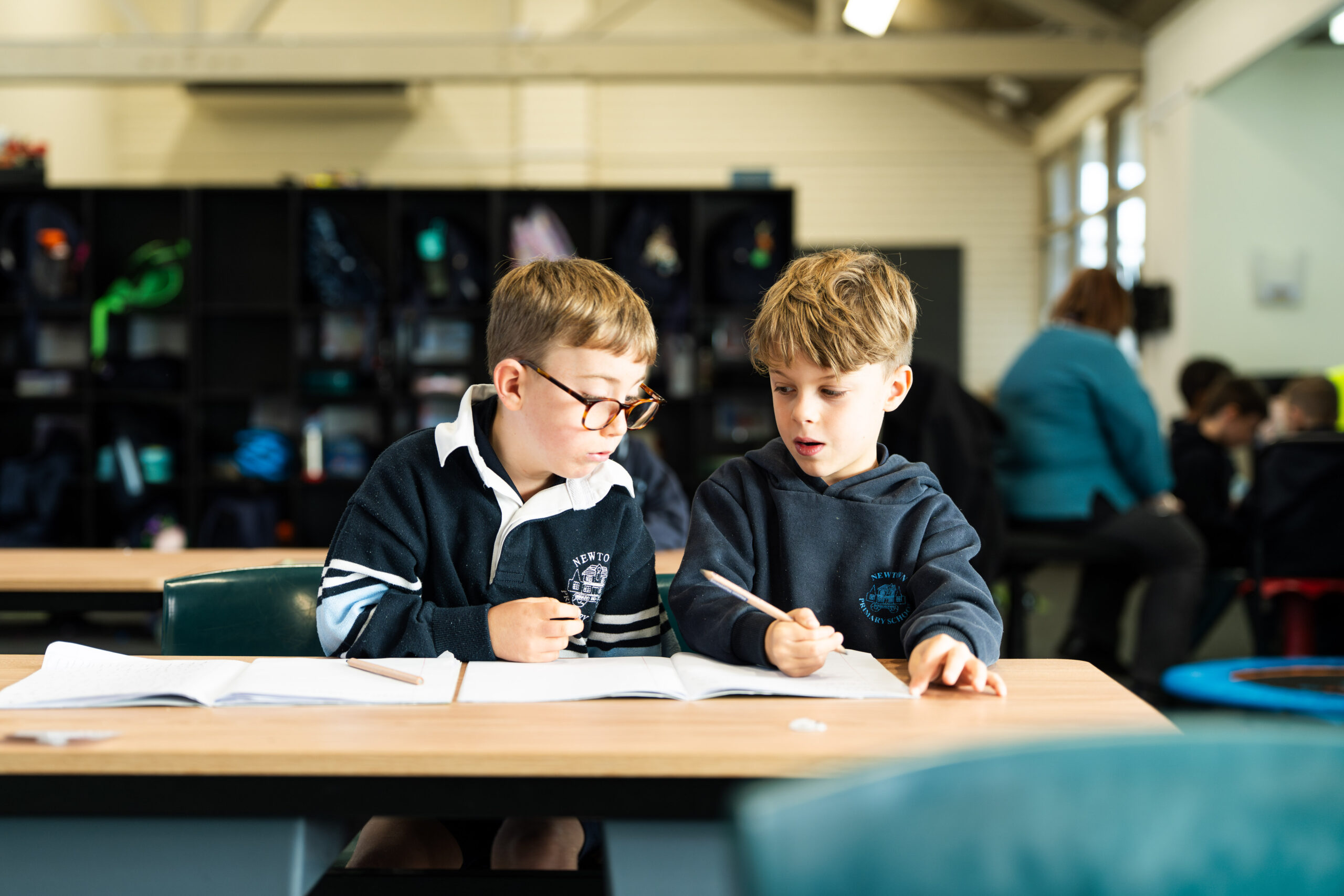
To make sure this evidence-based approach is delivered consistently — not just in some classrooms, but in every learning space every lesson every day, we draw on the Department’s Victorian Lesson Plans (VLPs). These are high-quality, ready-made lesson sequences in English, Mathematics, Science and Technologies, built directly on the VTLM 2.0 and aligned to the Victorian Curriculum.
Using them means:
- Your child’s learning builds logically from one lesson, and one year level, to the next
- Teachers spend less time reinventing resources and more time responding to the students in front of them
- The quality of teaching stays high and consistent, whichever classroom your child is in
A strong start in reading: Phonics Plus


Nowhere does this evidence-based approach matter more than learning to read. In Foundation to Year 2, we deliver the Phonics Plus program — the Department’s comprehensive, structured literacy program, and one of the English VLPs.
Phonics Plus provides:
- 25 minutes of daily, explicit phonics teaching, using a systematic synthetic phonics approach
- A carefully sequenced progression of letter–sound relationships (36 sets of grapheme–phoneme correspondences), so children build decoding skills step by step, not by chance
- Explicit teaching of spelling patterns, morphology, high-frequency words, handwriting and reading fluency, alongside decoding
- Decodable texts matched to exactly what a child has been taught, so early reading practice is a genuine success, not a guessing game
- This approach reflects the “Big 6” of reading instruction — oral language, phonemic awareness, phonics, fluency, vocabulary and comprehension — and is the same approach now expected across all Victorian government primary schools, because the evidence for it is strong and consistent.
We are proud to build our teaching around what the evidence says actually works — because every child deserves a classroom where learning is designed for success and where every student can grow and learn.